
What are the differences between two-color injection molding and single-color injection molding?
author: Universe plastic
2024-02-24
Injection molding, as an important process in the plastic processing industry, is widely used in the manufacturing of various products. Among them, two-color injection molding and single-color injection molding are two common injection molding methods. Although their basic principles are similar, there are clear differences in many aspects.
1. Basic concepts
Single-color injection molding, as the name suggests, refers to the use of only one color of plastic material in a single injection molding process. This process is simple and direct, and is suitable for producing plastic products with single colors and simple shapes.
Two-color injection molding is a more complex process that allows the use of two different colors of plastic materials in one injection molding process. This technology can achieve a combination of multiple colors on one product, thereby increasing the product's aesthetics and design freedom.

2. Process
The process of single-color injection molding is relatively simple. First, single-color plastic particles are added to the injection molding machine. After heating and plasticizing, the plastic is injected into the mold. The mold is designed according to the shape of the product. After the plastic cools and solidifies in the mold, the mold is opened and the product is taken out.
The process of two-color injection molding is more complicated. It requires injecting two different colors of plastic into different areas of the same mold. This usually requires the use of a two-color injection molding machine, which has two independent barrels and injection molding systems that can control the injection volume, speed and sequence of the two plastics separately. Two-color injection molds also need to be specially designed to ensure that the two plastics fuse in the right places to form the desired product.

3. Product features
Single-color injection molded products have a single color, but different visual effects can be achieved by adjusting the color and texture of the plastic. This process is suitable for producing products with low color requirements and simple shapes, such as plastic containers, pipes, etc.
Two-color injection molded products have a higher degree of design freedom. By cleverly combining two different colors of plastic, a variety of appearance effects can be created to enhance the look and appeal of the product. Two-color injection molding can also achieve some special functional requirements, such as differences in hardness, wear resistance, and anti-slip properties of different color areas.
4. Application areas
Due to its simplicity and economy, single-color injection molding is widely used in the production of various plastic products, such as home appliances, automobiles, packaging and other fields.
Two-color injection molding is more commonly used in areas with higher product appearance and design requirements, such as toys, stationery, electronic products, etc.

5. Summary
There are obvious differences between two-color injection molding and single-color injection molding in terms of process, product characteristics and application fields. Double-color injection molding increases the aesthetics and design freedom of the product by using two different colors of plastic materials in one injection molding process, and is suitable for areas with high product appearance and design requirements. Single-color injection molding is widely used in the production of various plastic products because of its simple and economical characteristics.
In practical applications, the appropriate injection molding process needs to be selected based on the specific needs and design requirements of the product. At the same time, with the advancement of science and technology and consumers' increasing emphasis on product appearance design, two-color injection molding technology will play a more important role in the production of plastic products in the future.
Injection mold processing: mold cost control
Injection mold trial steps and precautions
Related Article
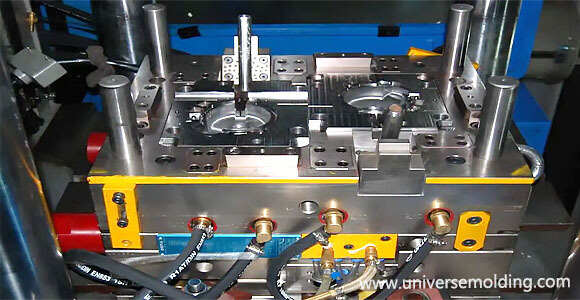
Injection mold trial is a very important link in the injection molding production process. It is necessary to pay attention to the debugging of the injection molding machine and trial mold design to ensure that the trial mold process goes smoothly and products that meet the requirements are produced.
Injection mold trial steps and precautions

PP, full name polypropylene, is a translucent or milky white thermoplastic particle with the characteristics of high strength, high insulation, low water absorption, high forming temperature, low density, and high crystallinity.
Injection molding plastic material: PP

The injection molding production of LED plastic products usually uses some specific plastic materials. The selection of these materials will directly affect the brightness, color, durability and other aspects of the LED products.
Endless possibilities for LED plastic custom design
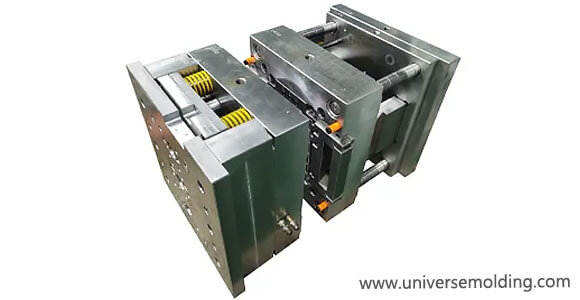
The 3-plate mold, also known as the three-plate mold or the narrow mouth mold, is one of the structural types of injection molds and is used for the injection molding production of plastic products.
Injection mold type: three-plate mold
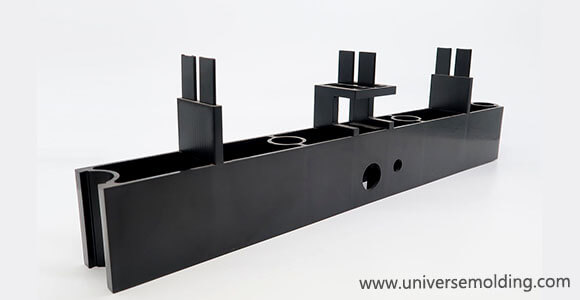
The injection molding process is the main method used to produce plastic strips, usually consisting of two material types: rubber injection molding and plastic injection molding.
Injection molded manufacturing products: plastic strips
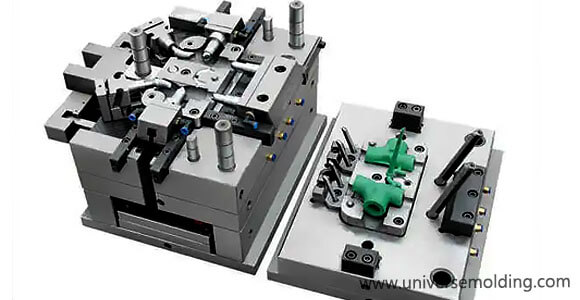
PVC is a widely used plastic material with many applications in injection molding. The following are some common PVC injection molding products.
Injection molding plastic material: Pvc
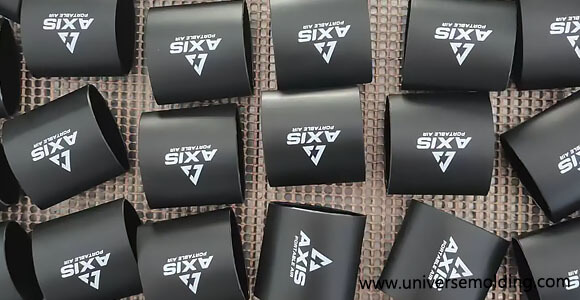
Plastic pad printing is a technology widely used in printing plastic products. It has the advantages of good printing quality and simple operation, but it also has certain limitations, such as high requirements for equipment and materials, and printing quality is affected by many factors.
Plastic post-processing: plastic pad printing
Get a free online quote today!