
Silicone Product Injection Molding Manufacturing Guide
author: Universe plastic
2024-05-31

Silicone products are manufactured in batches through the injection molding process by selecting appropriate silicone plastic materials. Because silicone has unique properties, such as flexibility, high temperature stability and biocompatibility, silicone injection molding products are widely used in daily and industrial applications.
Silicone material characteristics
Flexibility and elasticity: The material has excellent flexibility and elasticity and can withstand a certain degree of deformation without damage.
High and low temperature resistance: It maintains its performance over a temperature range of -60°C to +250°C, making it suitable for use in a variety of extreme temperature environments.
Biocompatibility: It is harmless to humans and is therefore often used in the medical and food industries.
Chemical resistance: It has good resistance to a variety of chemicals and is suitable for harsh chemical environments.
Electrical insulation: It has good electrical insulation properties and is suitable for electronic and electrical applications.
Application fields of silicone injection molded parts
Medical devices: such as catheters, seals, medical buttons and sheaths, etc.
Electronic appliances: such as keyboard keys, cable seals, protective covers, etc.
Household items: such as kitchen utensils, baby products, anti-slip mats, etc.
Automotive industry: such as sealing rings, protective covers and cushions, etc.
Industrial components: such as seals, gaskets and anti-vibration components.
Silicone product injection molding production process
1. Design and manufacture molds: According to the design requirements of the product, the mold first needs to be made. Molds are usually made of metal materials and precision machined.
2. Prepare raw materials: Injection molding silicone usually exists in liquid form, and two or more components need to be mixed in proportion.
3. Injection molding: Inject the mixed silicone raw materials into the mold, and solidify them by heating or pressure.
4. Injection molding demoulding: After the silicone is cured, take out the finished product from the mold.
5. Processing: Carry out necessary processing, cleaning and other post-processing steps on the finished product to ensure product quality and appearance.
Common silicone injection molding problems
Silicone injection molding has bubbles
1. Uneven material mixing: Make sure the silicone material is fully mixed before injection molding.
2. Injection speed is too fast: causing air to be trapped in the mold, the injection speed needs to be adjusted to avoid injection too fast.
3. Poor mold exhaust: The mold design is unreasonable and cannot be effectively exhausted. Optimize the mold exhaust design, add exhaust channels or use vacuum exhaust.
Material solidification size ratio is unstable
1. The shrinkage rate of silicone materials is inconsistent: use silicone materials with good stability.
2. Uneven mold temperature: Accurately control the mold temperature to ensure uniform temperature.
3. Injection volume control is inaccurate: adjust the parameters of the injection molding machine to ensure precise control of the injection volume.
Surface defects of silicone parts (burrs)
1. The mold is not closed tightly: Check the mold closing condition to ensure it is tightly closed.
2. The injection pressure is too high: Adjust the injection pressure to avoid excessive pressure.
3. The fluidity of the silicone material is too strong: Choose a silicone material with suitable fluidity.
Incomplete silicone parts (insufficient injection)
1. Insufficient injection speed or pressure: increase injection speed or pressure
2. Mold design issues: If the gate position is inappropriate, optimize the mold design and adjust the gate position.
3. Silicone material has poor fluidity: use silicone material with better fluidity.
Silicone parts are not fully cured
1. Insufficient curing time: increase the curing time to ensure that the silicone is completely cured.
2. The mold temperature is too low: Increase the mold temperature to ensure that the silicone material reaches a suitable curing temperature.
3. The mixing ratio of silicone material is incorrect: Make sure the silicone material is mixed in the correct ratio.
Silicone product mold sticking
1. Poor surface treatment of the mold: Surface treatment of the mold, such as applying anti-stick coating.
2. Lack of release agent: Use appropriate amount of release agent.
3. The silicone material itself is highly sticky: choose a suitable silicone material to reduce the stickiness.
Uneven color in final product
1. Color masterbatch or pigment is unevenly dispersed: Make sure the color masterbatch or pigment is fully mixed.
2. Temperature fluctuations during the injection molding process: Stabilize the injection molding process temperature.
3. Insufficient mixing of silicone material: Mix the silicone material thoroughly.
The mechanical properties of silicone parts are not up to standard
1. Silicone material quality issues: Choose high-quality silicone materials.
2. Incorrect mixing ratio: Make sure to mix the silicone material in the correct ratio.
3. Unsuitable curing conditions: Adjust the curing conditions, such as temperature and time, to ensure that the silicone is completely cured and achieves the required mechanical properties.
Control the injection molding quality of silicone products
When producing silicone products by injection molding, the process parameters of each link, such as injection molding temperature, pressure, time, etc., must be strictly controlled to ensure product consistency and high quality.
In addition, the Universe Plastic Factory will also conduct a series of inspections and tests, such as dimensional inspection, hardness test, aging resistance test, etc., to ensure that the products comply with relevant standards and requirements.
Manufacturing and injection molding of multi-cavity molds
Cost-effective injection molding
Related Article

Universe Plastic Factory implements cost-effective injection molding to produce various plastic products for customers.
Cost-effective injection molding
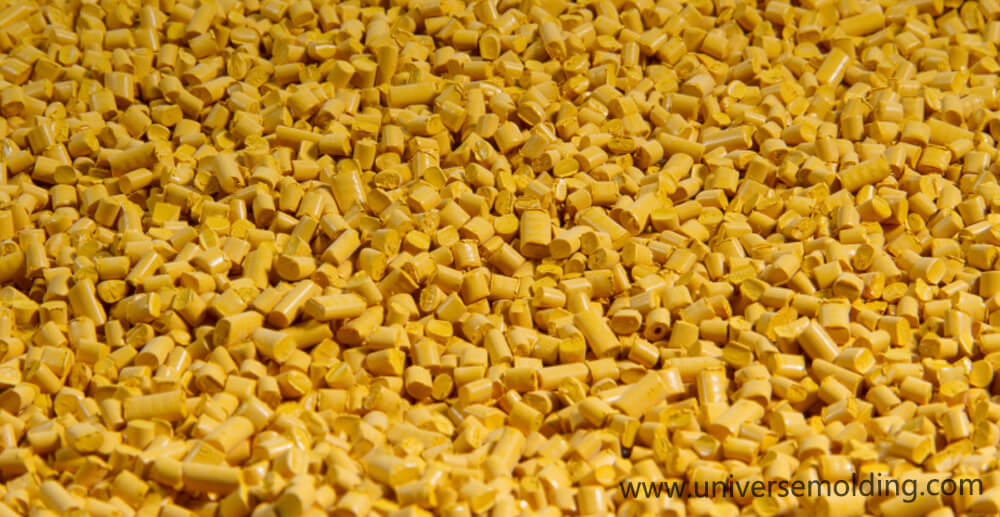
Thermoplastic materials are easy to process, durable and multifunctional, making them widely used in production and life.
Thermoplastic materials and applications

During injection molding, plastic materials will cause structural decomposition under high temperature and high pressure. This phenomenon is called thermal decomposition.
One of the common problems in injection molding: thermal decomposition of plastics
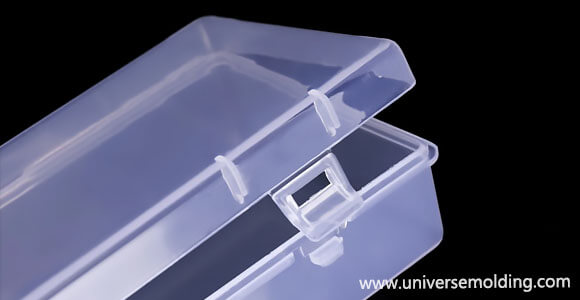
Through the above 9 steps, Universe Injection Molding Factory can mass produce high-quality plastic boxes to meet customer needs. Each link requires strict control to ensure the quality and consistency of the final product.
Injection Molding Factory: Batch Manufacturing Process of Plastic Boxes

However, the recycled plastic requires complex processing before injection molding. And before use, it must be suitable for the products being manufactured to meet the market demand for plastic products.
Injection molding applications of recycled plastic materials

Universe Plastics is a manufacturing factory that provides compression molding. The compression molded products currently produced include plastic flooring, self-adhesive rubber floor tiles, rigid floor tiles, etc.
Plastic Manufacturing Process: Compression Molding


Get a free online quote today!