
Thermoplastic materials and applications
author: Universe plastic
2024-05-29
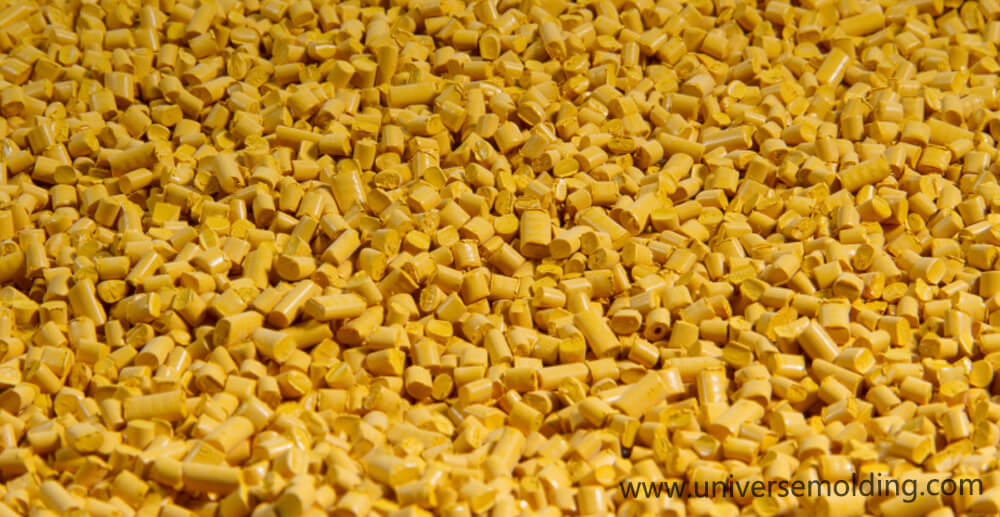
What are thermoplastic materials
Thermoplasticity: refers to the chemical properties that can soften and change shape after being heated, and have a structure that hardens after cooling. Plastic materials with this property are collectively called thermoplastic materials.
Thermoplastic materials are easy to process, durable and multifunctional, making them widely used in production and life.
Thermoplastic materials and their applications
Polymethyl methacrylate or acrylic: used in lampshades, billboards, aquarium transparent panels, etc.
Polyamide or nylon: usually made of fibers, engineering plastics, automotive industry, etc.
Polypropylene: usually made into auto parts, food containers, fiber products, etc.
Polyvinyl chloride: usually made into pipes, window frames, insulation layers for wires and cables, etc.
Low-density polyethylene: commonly used to make plastic bags, plastic films, containers, etc.
High-density polyethylene: commonly used to make milk bottles, pipes, toys, etc.
Polystyrene: usually used to make disposable tableware, CD cases, etc.
Expanded polystyrene: usually manufactured into packaging materials, insulation boards, etc.
Polycarbonate: often used to make safety glass, optical discs, electronic device casings, etc.
Polyethylene terephthalate: usually manufactured into beverage bottles, fibers, films, etc.
Things to consider before applying thermoplastic materials
1. Suitable materials
Different types of thermoplastics have different physical, chemical and mechanical properties. Choosing the right material is very important and depends on the specific application scenario and requirements.
2. Processing conditions
The processing of thermoplastics requires strict control of temperature, pressure and time to ensure the quality of the finished product, otherwise common injection molding problems are prone to occur.
3. Design considerations
When designing plastic products, it is necessary to consider the characteristics of thermoplastic materials to design appropriate wall thickness, ribs, draft angle, etc.
4. Environmental factors
Does the environment in which the product is used have any impact on the thermoplastic material? For example, ultraviolet exposure, temperature changes, and humidity conditions will shorten the service life of the product.
5. Recycling and Reuse
Thermoplastics are recyclable, but different types of plastic need to be recycled separately and impurities and contaminants removed to ensure the purity and performance of the recycled material. The final performance of recycled materials may not be as good as that of virgin materials, and performance testing and adjustments are required before use.
6. Health and safety
Health and safety issues should be taken into consideration when processing injection molded thermoplastics. In areas with high safety requirements, such as food packaging and medical devices, avoid using plastics containing harmful substances. Take appropriate protective measures during processing, such as ventilation, wearing gloves and goggles, etc. to prevent inhalation of harmful gases or contact with high-temperature materials.
7. Comply with standards and regulations
Ensure that the thermoplastic materials used comply with relevant national and international standards and regulations, especially when it comes to medical, food and other industries.
Thermoplastic manufacturers
Universe Plastic is a professional Chinese injection molding factory that can accurately match suitable thermoplastic materials for products in plastic manufacturing projects. And in injection molding production, we can achieve the best quality of products through professional adjustment and injection molding. If you are looking for the right thermoplastic injection molding manufacturer, please contact us.
Cost-effective injection molding
One of the common problems in injection molding: thermal decomposition of plastics
Related Article

During injection molding, plastic materials will cause structural decomposition under high temperature and high pressure. This phenomenon is called thermal decomposition.
One of the common problems in injection molding: thermal decomposition of plastics
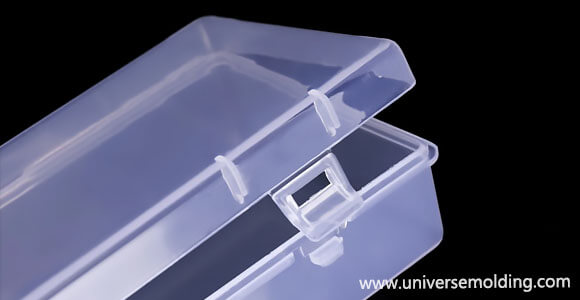
Through the above 9 steps, Universe Injection Molding Factory can mass produce high-quality plastic boxes to meet customer needs. Each link requires strict control to ensure the quality and consistency of the final product.
Injection Molding Factory: Batch Manufacturing Process of Plastic Boxes

However, the recycled plastic requires complex processing before injection molding. And before use, it must be suitable for the products being manufactured to meet the market demand for plastic products.
Injection molding applications of recycled plastic materials

Universe Plastics is a manufacturing factory that provides compression molding. The compression molded products currently produced include plastic flooring, self-adhesive rubber floor tiles, rigid floor tiles, etc.
Plastic Manufacturing Process: Compression Molding

Universe Plastic Engineers suggest that improvements in injection molding materials and injection molding processes during manufacturing, as well as surface treatment, can improve the transparency of injection molded products.
Injection Molding Issues: Improving Plastic Transparency

During the injection molding process of plastic parts, designing and manufacturing parts with screw holes is a common but challenging task.
Injection molding solutions for screw holes in plastic parts


Get a free online quote today!