
Injection molding machine structural system
author: Universe plastic
2024-05-16
Injection molding machine is a very important equipment for plastic injection molding processing. It is mainly used to cooperate with the injection molding production of plastic injection molds.
The injection molding machine has multiple systems, each of which assumes specific functions and work together to complete various tasks and control during the injection molding process. The following is an introduction to several major systems and components of the injection molding machine:

injection system
The injection system of the injection molding machine is responsible for heating and melting the plastic material from the granular state to the molten state, and then injecting it into the mold cavity at high pressure to form the desired product shape.
structural parts: hopper, heating barrel, screw, nozzle, injection cylinder, check valve.
working principle:
Step 1. The plastic raw materials enter the heating barrel through the hopper, and the injection cylinder drives the screw to rotate to complete the melting and mixing of the plastic materials.
Step 2. Through the rotation of the screw, the molten plastic is pushed to the nozzle and injected into the mold cavity. The check valve will prevent the plastic from flowing back and stabilize the injection pressure to ensure quality.

Mold clamping system
The mold clamping system of the injection molding machine is responsible for tightly closing and locking the mold, and maintaining the precise alignment and high-pressure mold locking state of the mold during the injection and cooling processes.
structural parts: moving platen plate, fixed platen plate, tie rod, mold closing mechanism, mold closing cylinder, mold locking mechanism, and ejection mechanism.
working principle:
Step 1. Use the mold closing cylinder to push the movable platen to the fixed platen to close the mold, and the tie rod provides guidance and support.
Step 2. After the mold is closed, the mold clamping mechanism provides the clamping force, usually through a hydraulic system or a mechanical clamping mechanism.
Step 3. After applying the clamping force, the mold is injected, followed by pressure holding and cooling.
Step 4. After injection molding and cooling are completed, the mold clamping mechanism releases the mold clamping force, and the movable platen moves backward under the control of the mold clamping cylinder to open the mold.
Step 5. Start the ejection mechanism to eject the molded product from the mold.

Ejection system
The ejection system of the injection molding machine is responsible for ejecting the molded plastic products from the mold after the mold is opened.
structural parts: ejector cylinder, ejector plate, ejector rod, ejector guide mechanism, ejector force adjustment device.
working principle:
Step 1. When the injection molding is completed and the mold changes to the open state, the ejection cylinder is opened and the set ejection force is released.
Step 2. The ejection cylinder pushes the ejection plate and ejection rod, moves forward according to the guide mechanism and ejects the plastic product.
Step 3. After the product is ejected, close the ejection cylinder and drag the ejection plate and ejection rod back to the initial position to prepare for ejection again.
Hydraulic system
The hydraulic system of the injection molding machine mainly provides power and is responsible for driving the main actions such as mold closing, injection, ejection and mold movement.
structural parts: hydraulic pump, hydraulic cylinder, hydraulic valve, hydraulic motor, oil tank, cooler, filter, pipeline and joints.
Working principle: The hydraulic pump pressurizes the hydraulic oil in the tank and sends it into the hydraulic pipeline. It controls the flow direction, pressure and flow rate of the hydraulic oil through the hydraulic valve, drives the hydraulic cylinder and hydraulic motor, and completes various actions of the injection molding machine. After the hydraulic oil completes its work, it returns to the tank through the filter and is recycled.

Heating and cooling systems
The heating and cooling system of the injection molding machine is mainly responsible for controlling the temperature of the mold and plastic materials to ensure the melting and fluidity of the plastic during the injection molding process, as well as the cooling and solidification of the molded product.
structural parts: heating cylinder, heating control system, cooling system, temperature sensor.
working principle:
Step 1. When the plastic particles enter the heating cylinder, the heater starts to heat the heating cylinder. A temperature sensor monitors the temperature inside the heating cylinder until the set melting temperature is reached.
Step 2. After the molten plastic is injected into the mold, the cooling system quickly reduces the temperature of the mold through cooling water or air flow, so that the melt solidifies quickly.

Electrical control system
The electrical control system of the injection molding machine is responsible for controlling various actions and parameters during the entire injection molding process to ensure the stable operation and production efficiency of the injection molding machine.
structural parts: main controller, operation panel, motor, sensor, heating and cooling system, hydraulic system control, safety device, communication interface.
Working principle: The operator sets the parameters of the injection molding process through the operation panel, and the main controller controls various actions of the injection molding machine according to the set values, including injection, pressure holding, cooling, and ejection.
Curved surface injection molding plastic molding solutions
Introduction to injection mold clamps
Related Article

Injection mold clamps can improve the efficiency and quality of injection molding processing, and also solve the problems that exist when traditional fixed irregular-shaped molds are used to fix irregular-shaped molds, helping to improve the product quality of injection molding manufacturing.
Introduction to injection mold clamps

Injection molding machine controllers are a key factor in ensuring the efficient operation of injection molding machines. With the continuous advancement of technology, controllers are becoming more intelligent and automated to improve production efficiency and product quality.
Injection molding machine controller types and uses

HDPE injection molding is a complex process that requires a variety of factors to be considered to ensure the quality and performance of the final product. In actual operation, process parameters also need to be adjusted according to specific application requirements.
HDPE Injection Molding Processing Guide

If your plastic project is about to start, when choosing an injection molding machine, in addition to considering the size, you also need to consider other factors, such as the machine's function, price, brand, after-sales service, etc.
Injection molding machine type: micro injection molding machine

When producing plastic products, whether to use aluminum alloy to make injection molds needs to be chosen based on the actual needs of the product.
Injection mold material: aluminum alloy
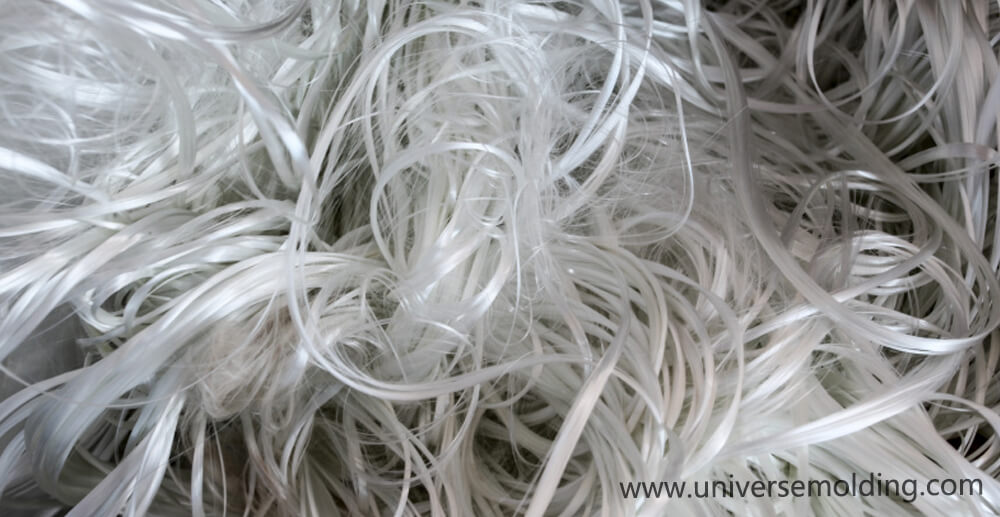
Glass-filled nylon injection molding is an efficient plastic processing technology capable of producing products in a variety of shapes and sizes to meet different needs.
Glass filled nylon injection molding


Get a free online quote today!