
How to choose new and recycled PVC materials for injection molding
author: Universe plastic
2024-06-13
What is PVC material
PVC is the abbreviation of polyvinyl chloride material. It is a commonly used synthetic plastic material. It is formed by the polymerization reaction of vinyl chloride monomer under the action of initiator. Because of its excellent comprehensive performance, it is widely used in injection molding to produce suitable plastic products in various fields.
With the cost of raw materials and environmental protection needs, PVC recycled materials appear more frequently in injection molding projects, whether to choose new materials or recycled materials, I hope this article’s analysis of their characteristics will help you know how to choose.

Properties of PVC materials
1. High mechanical strength: PVC material has high hardness and strength and can withstand mechanical stress in a wide range.
2. Chemical corrosion resistance: It has good resistance to chemicals such as acids, alkalis and salts, so it is widely used in the chemical industry.
3. Good electrical insulation performance: PVC is an excellent electrical insulation material and is often used in the insulation layer and sheath of wires and cables.
4. Easy to process and form: PVC can be made into products of different shapes and specifications through various processing methods such as extrusion, injection molding, and calendering.
Mechanical properties of PVC materials
|
density |
1.35-1.45 g/cm³ |
hardness |
80-90 |
|
Tensile Strength |
40-60 MPa |
Elastic Modulus |
2500-4000 MPa |
|
Bending strength |
50-80 MPa |
Elongation at break |
20-40% |
|
Impact strength |
2-5 kJ/m² |
Heat distortion temperature |
60-80℃ |
Application of PVC materials
Building materials: PVC pipes, door and window frames, wall panels and floors, etc., are widely used in the construction industry because of their durability, moisture resistance, and corrosion resistance.
Medical equipment: PVC is used to make medical supplies such as infusion bags, infusion tubes, and blood bags. It is hygienic, safe, and easy to process.
Packaging materials: PVC film, plastic wrap, bottles, etc. are widely used in the packaging of food and industrial products.
Daily necessities: toys, shoe soles, tablecloths, raincoats and other daily necessities.
Wires and cables: Due to its good insulation properties, PVC is widely used in the outer sheath and insulation layer of wires and cables.

Parameter comparison of new PVC and recycled PVC
|
Property |
New PVC Material |
Recycled PVC Material |
|
density |
1.35-1.45 g/cm³ |
1.35-1.45 g/cm³ |
|
Tensile Strength |
40-60 MPa |
30-50 MPa |
|
Bending strength |
50-80 MPa |
40-70 MPa |
|
Impact strength |
2-5 kJ/m² |
1-4 kJ/m² |
|
hardness |
80-90 |
75-85 |
|
Elastic Modulus |
2500-4000 MPa |
2000-3500 MPa |
|
Elongation at break |
20-40% |
10-30% |
|
Heat distortion temperature |
60-80℃ |
55-75℃ |

The main differences between new materials and recycled materials
1. Mechanical properties:
New PVC materials have high purity, complete molecular structure, and generally good properties such as mechanical strength, toughness, chemical resistance, and thermal stability. Recycled materials may contain impurities and degradation products, and their performance is generally slightly worse than new materials. The mechanical strength, toughness and heat resistance of recycled PVC may be slightly lower than that of new PVC material.
2. Environmental protection effect:
The use of new materials consumes a large amount of raw resources and energy and produces more environmental pollutants. Recycled materials reduce the demand for original resources and the generation of waste by recycling and reusing waste materials, and are more environmentally friendly.
3. Manufacturing cost:
Because new materials need to be synthesized from raw materials, the production cost is usually higher. Recycled materials make use of waste materials, have relatively low production costs and have high economic benefits.
Conclusion
New and recycled materials each have advantages and disadvantages. When selecting injection molding materials, there are trade-offs based on the performance requirements of the specific application, economic factors and environmental considerations. For application scenarios with high performance requirements, new materials are still the first choice; while in applications that do not require high performance and pay attention to cost and environmental protection, recycled materials have significant advantages.
How to choose new materials and recycled materials for injection molding PS
How to choose ABS new material or recycled material for injection molding
Related Article

New ABS materials are suitable for demanding applications, while recycled ABS materials have advantages in low-cost and environmentally friendly applications.
How to choose ABS new material or recycled material for injection molding
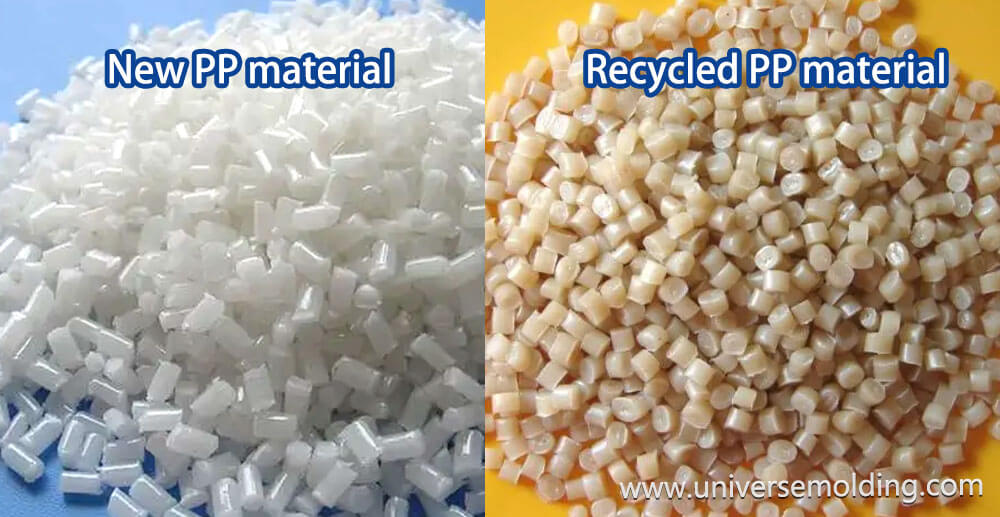
The new PP material has clear advantages in performance and is suitable for injection molding applications that require high performance, reliability and aesthetics.
How to choose new and recycled materials for PP injection molding
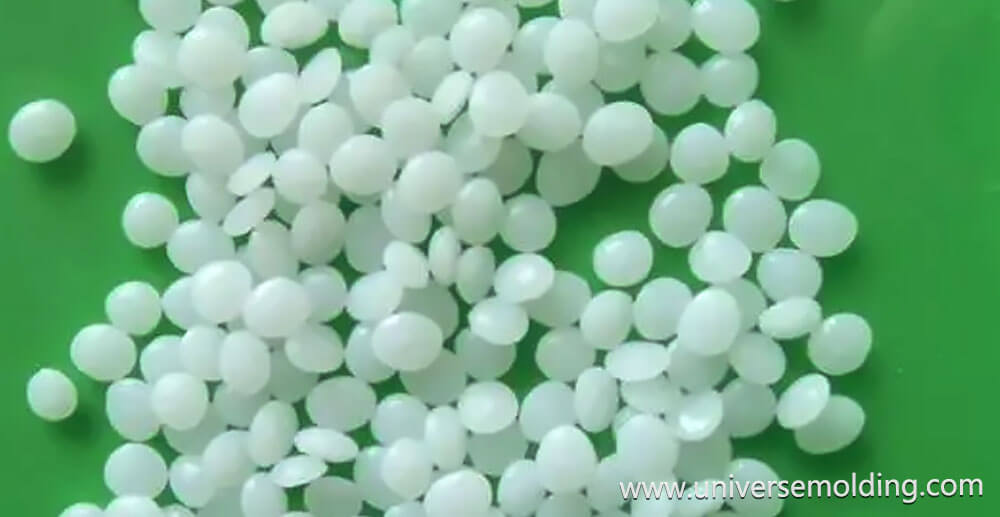
Polyoxymethylene (POM), is known as acetal, POM is a versatile engineering plastic which has mechanical properties
New POM vs Recycled POM: How to Select the Right material ?

Mold heating system is a mold function that can improve production efficiency and product quality. It is used in hot runner mold manufacturing in injection molds.
Injection mold structure: hot runner

Plastic mold cooling systems include direct cooling, indirect cooling, local cooling, pulse cooling and a combination of cooling core and cooling jacket.
Injection mold structure: cold runner

The design and manufacturing of plastic hot runner molds is a highly specialized and technology-intensive process, which strictly requires designers and manufacturers to have deep professional knowledge and skills.
Plastic hot runner mold design and manufacturing

Get a free online quote today!