
HDPE Injection Molding Processing Guide
author: Universe plastic
2024-05-13
HDPE (High Density Polyethylene) is a commonly used plastic material known for its high crystallinity and strength. It performs particularly well in the injection molding process, as its resistance to chemicals and heat makes it ideal for use in a variety of industrial applications. The density of HDPE generally ranges from 0.91 to 0.965 g/cm³, which determines its physical and chemical properties, including tensile strength, high temperature distortion temperature, viscosity and chemical stability.
HDPE injection molding processing conditions
When performing HDPE injection molding, the following key process parameters need to be considered
Melting temperature:
Typically between 220 and 260°C, for materials with larger molecular weights the recommended melting temperature range is between 200 and 250°C.
Mold temperature:
Generally set between 50 and 95°C. For plastic parts with a wall thickness below 6mm, a higher mold temperature should be used, while for plastic parts with a wall thickness above 6mm, a lower mold temperature should be used.
Injection pressure:
recommended between 700 and 1050 bar.
Injection speed:
High-speed injection is recommended.
Runner and gate:
The runner diameter should be between 4 and 7.5mm, the runner length should be as short as possible, and the gate length should not exceed 0.75mm.
HDPE injection molding application areas
HDPE injection molding is widely used in many fields, including but not limited to refrigerator containers, storage containers, household kitchenware, sealing covers, etc. Due to its lightweight, high-strength properties, HDPE is also very popular in manufacturing products such as plastic boxes.
Precautions for HDPE injection molding processing
When using HDPE for injection molding, you need to pay attention to its susceptibility to environmental stress cracking. To mitigate this phenomenon, less fluid materials can be used to reduce internal stresses.
In addition, HDPE easily dissolves in hydrocarbon solvents at temperatures above 60°C, although its resistance to dissolution is better than that of LDPE (low-density polyethylene).
Summarize
HDPE injection molding is a complex process that requires a variety of factors to be considered to ensure the quality and performance of the final product. In actual operation, process parameters also need to be adjusted according to specific application requirements.
Injection molding machine controller types and uses
Injection molding machine type: micro injection molding machine
Related Article
If your plastic project is about to start, when choosing an injection molding machine, in addition to considering the size, you also need to consider other factors, such as the machine's function, price, brand, after-sales service, etc.
Injection molding machine type: micro injection molding machine
When producing plastic products, whether to use aluminum alloy to make injection molds needs to be chosen based on the actual needs of the product.
Injection mold material: aluminum alloy
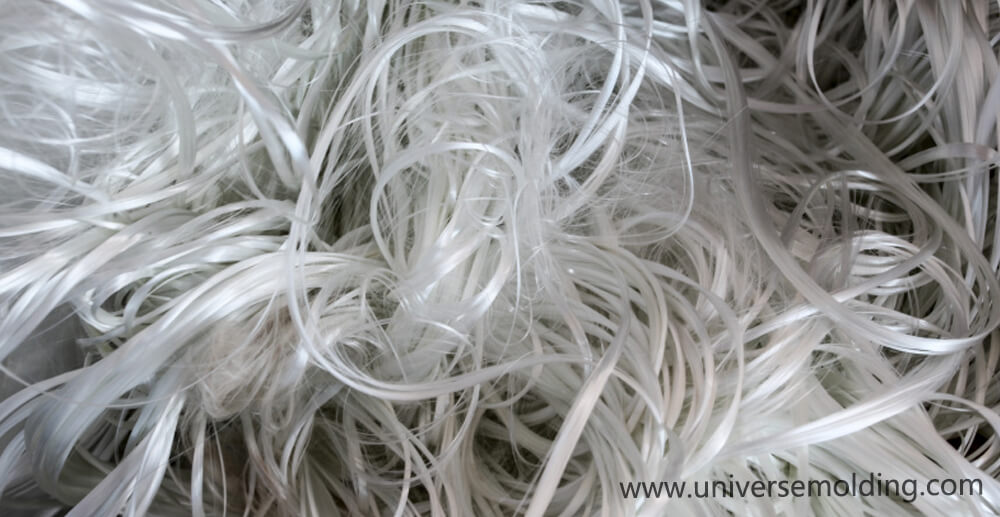
Glass-filled nylon injection molding is an efficient plastic processing technology capable of producing products in a variety of shapes and sizes to meet different needs.
Glass filled nylon injection molding
The injection screw and barrel are important components of the injection molding machine.
Injection molding machine structure: Injection system
Universe Plastics engineers will have different CNC processing mold manufacturing processes for different mold types and product requirements.
CNC machining mold manufacturing process
Mold draft angle design is a process that requires experience and skills, and needs to be appropriately adjusted according to the specific mold design and product requirements.
How to design the draft angle of the mold?
Get a free online quote today!