
Comprehensive Guide to Injection Mold Design
author: Universe plastic
2024-07-26
Injection mold design is a complex and highly precise process that requires thinking from various aspects such as raw materials, structure, processing, etc. It involves multiple steps and expertise.
Designing high-quality injection molds requires extensive experience. Below are the main steps and key considerations shared by Universe Plastics engineers from concept design to final manufacturing.

preliminary design work
1. Product functionality and appearance
Ensure product design meets functional requirements and has a good appearance.
2. Manufacturability assessment
Evaluate the design's suitability for injection molding, including wall thickness uniformity, draft, stiffeners, and support structures.
3. Injection molding material selection
Choose plastic materials that suit product requirements, such as strength, toughness, heat resistance, chemical resistance, etc. Consider the impact of material flow and shrinkage on mold design.
4. Mold material design
Choose the appropriate mold steel, such as P20, H13 or 420SS, considering the hardness, wear resistance and corrosion resistance of the materials required for each component.

Mold structure design
1. Mold type selection
Design appropriate mold types according to injection molding needs, such as single-cavity molds, multi-cavity molds, hot runner molds, etc.
2. Parting surface design
According to the structure of the plastic product, design appropriate parting surface types, such as flat parting surfaces, stepped parting surfaces, curved parting surfaces, etc., to ensure smooth demoulding of the product and maintain a good appearance.
3. Gate and runner design
Design suitable gate and runner types, such as point gates, edge gates, latent gates, etc., to ensure that the design can balance filling, improve production efficiency and reduce defects.
4. Cooling system design
Design an effective cooling channel layout to ensure uniform cooling and reduce molding cycles and shrinkage deformation. Choose the appropriate cooling medium and design a reasonable flow rate and flow rate.
5. Exhaust system design
Design vents at appropriate locations to prevent bubbles and scorching. Use vent grooves to improve the venting effect, especially in thin-walled and complex-structured parts.
Mold manufacturing process design
1. Surface treatment
Carry out mold surface treatment according to injection molding needs, such as nitriding, chromium plating or PVD coating, to enhance mold performance and life.
2. Manufacturing process design
Use CNC machine tools for precision machining to ensure the dimensional accuracy of mold parts. Use EDM to machine complex shapes and fine details. Finally, polishing is performed to ensure the surface finish and dimensional accuracy of the mold.

Mold assembly debugging design
1. Assembly
Precisely assemble the mold according to the design drawings to ensure the matching accuracy of each component. Lubricate during the assembly process and conduct a preliminary trial run to check the movement and coordination of each component.
2. Debugging
Conduct mold trials, check the quality of injection molded products, and adjust injection molding parameters and mold structure. Based on the mold trial results, the mold and process parameter design are optimized and adjusted to ensure the quality of the final product.

Maintenance and maintenance design
1. Regular inspection
Regularly check key parts of the mold, such as gates, runners, cooling channels and exhaust systems, for cleaning and lubrication. Check the wear of the mold and repair or replace it in time.
2. Recording and management
Record the number of times and usage of the mold for maintenance and upkeep. Develop a detailed maintenance plan to ensure long-term stable operation of the mold.
Quality control and improved design
1. Quality inspection
Conduct quality inspection on injection molded products to check whether size, appearance and performance meet requirements. Optimize the design and improvement of the mold to ensure its dimensional accuracy and surface quality.
2. Continuous improvement
Based on feedback during the production process, we continue to improve mold design and processing technology to improve mold performance and product quality. Track the latest injection mold technology and materials, and timely update and optimize mold design.
Summarize
The above steps and key considerations cover all aspects from preliminary design to final manufacturing. Through learning, I believe you can successfully design high-quality injection molds and improve injection molding production efficiency and product quality.
Dongguan Universe Plastic Factory has more than 15 years of injection molding experience, a professional team and equipment, and can provide high-quality and cost-effective injection mold design and manufacturing services.
If you are looking for a professional injection mold designer, please contact us to get the latest service quotation.
Injection mold type: cold runner mold
Injection mold design: injection runner
Related Article

Designing the injection molding runner requires comprehensive consideration of many factors, and ensuring the quality and consistency of the final product through reasonable design and verification.
Injection mold design: injection runner

Multi-stage injection molding is an advanced injection molding technology for manufacturing plastic products. The principle is to manufacture plastic products with complex structures or multiple materials through multiple injections in the mold cavity.
Plastic manufacturing process: multi-stage injection molding

PS (Polystyrene) is a thermoplastic material with excellent material properties that can be processed through the injection molding process Manufactures most PS plastic products.
Injection molding plastic material: PS

If your plastic project is about to start, when choosing an injection molding machine, in addition to considering the size, you also need to consider other factors, such as the machine's function, price, brand, after-sales service, etc.
Injection molding machine type: micro injection molding machine

When producing plastic products, whether to use aluminum alloy to make injection molds needs to be chosen based on the actual needs of the product.
Injection mold material: aluminum alloy
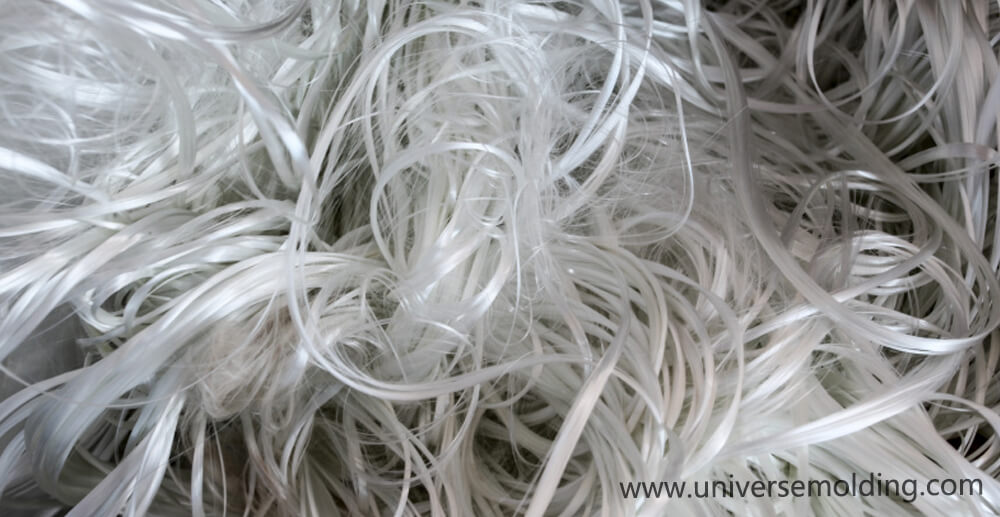
Glass-filled nylon injection molding is an efficient plastic processing technology capable of producing products in a variety of shapes and sizes to meet different needs.
Glass filled nylon injection molding

The injection screw and barrel are important components of the injection molding machine.
Injection molding machine structure: Injection system

HDPE injection molding is a complex process that requires a variety of factors to be considered to ensure the quality and performance of the final product. In actual operation, process parameters also need to be adjusted according to specific application requirements.
HDPE Injection Molding Processing Guide
Get a free online quote today!