
The influence and control of injection molding material moisture on injection molding
author: Universe plastic
2024-04-29
During the injection molding process, we often encounter various problems in the products we manufacture, the most common of which are bubbles, spray marks, surface silver wires, etc. in the injection molded products.
The most likely source of these serious quality problems in products is that plastic raw materials contain moisture. For this reason, we must effectively monitor the moisture of raw materials.
What impact does the moisture content of injection molding materials have on injection molded products?
Bubbles and silver wires: Water will vaporize at high temperatures, causing product defects such as bubbles, spray marks, and surface silver wires.
Product dents and bubbles: caused by moisture and other compounds remaining in the material due to insufficient drying of hygroscopic materials.
Product weld marks: Product seams are usually caused by evaporation of water at the seams, uneven temperature and low pressure inside the material.
Product brittleness: caused by evaporation of water and oxidative degradation of gas and materials during the injection molding process.
Material discoloration: caused by evaporation of water inside the material, degradation of gas and coloring materials.
How to control the moisture ratio in injection molding materials
Raw material drying: Before injection molding, use drying equipment to dry the raw materials. The control of drying time is crucial to the subsequent product molding process and product quality.
Moisture detection: Use a professional plastic moisture meter to accurately test the moisture content of plastics. The plastic moisture meter can accurately test the moisture content of plastic in about three minutes to ensure the qualification rate of the finished product.
Environmental control: The hygroscopicity of plastic pellets is affected by air humidity in the production workshop, packaging process, transportation process, storage environment and other factors. The production environment and conditions need to be properly controlled to keep the moisture content of the raw materials within a reasonable range.
Process optimization: According to different plastic material types, such as nylon, PET, PBT, etc., appropriate drying time and temperature need to be determined. For example, nylon is an engineering plastic that easily absorbs water, especially unmodified PA6 and PA66, with water absorption rates as high as 1.5%-1.9%. Therefore, nylon packaging is usually multi-layer aluminum foil bag packaging, which can be used directly. If the raw materials are exposed to the air for more than one hour, they must be dried.
Equipment maintenance: Regularly inspect and maintain drying equipment to ensure equipment efficiency and optimize drying procedures to improve production efficiency.
Injection Molded Manufacturing Products: Automotive Plastic Parts
The correct process when CNC machining injection molds
Related Article
Universe Plastic Engineer will introduce the process steps of injection mold processing through CNC machine tools:
The correct process when CNC machining injection molds
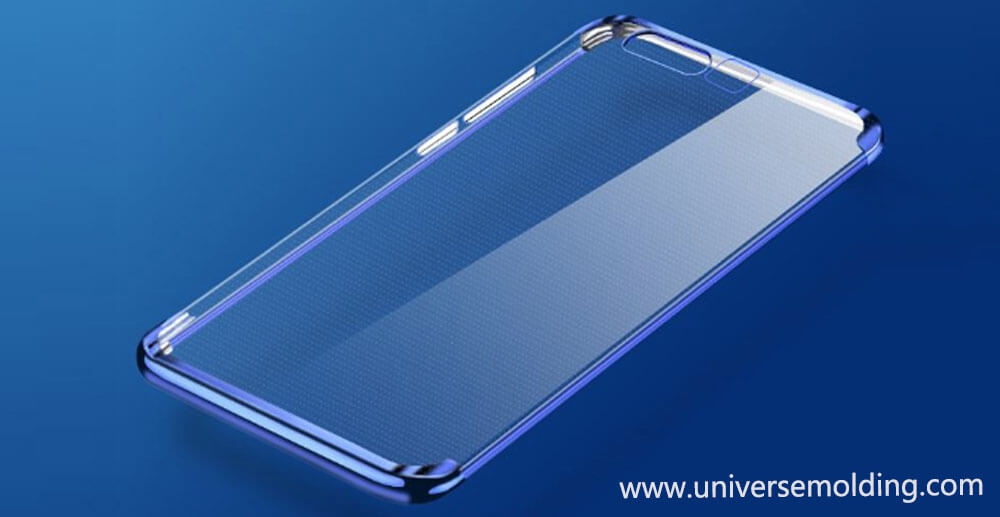
Regarding quality issues in the injection molding production of transparent plastic parts, specific solutions may vary depending on the actual production environment and the plastic materials used.
Injection Molding Issues: Transparent Plastic Injection Molding
Injection molding short shot refers to the situation where the plastic does not completely fill the mold cavity during the injection molding process, resulting in missing or incomplete parts.
Injection molding problem: Injection molding short shot
Injection molding back pressure is an important parameter for controlling product quality, and appropriate back pressure plays an important role in improving product quality.
The influence of injection molding back pressure on injection molding
High-gloss injection molding is a rigorous plastic manufacturing process that produces plastic products with high surface finish and remarkable mirror effects.
Plastic manufacturing process: high-gloss injection molding
Take out the parts after the first molding, put them into the mold for secondary molding, and inject the same or another plastic material again for molding.
Second injection molding
Get a free online quote today!